
Dialogue Scholar & Practitioner
Fostering conversations between “Us” and “Them”
When groups disagree, it doesn't always get better on its own.
Through dialogue facilitation and leadership development training, I help groups hold complex conversations that surface what matters and build shared understanding.
Has your group become “Us” versus “Them?”
It might look like:
Foreign vs. local hires
Department vs. department
Longtime staff vs. new hires
Conservatives vs. liberals
Union vs. nonunion employees
Two companies’ employees merging into one
Board vs. staff
Senior leaders vs. middle managers vs. frontline employees
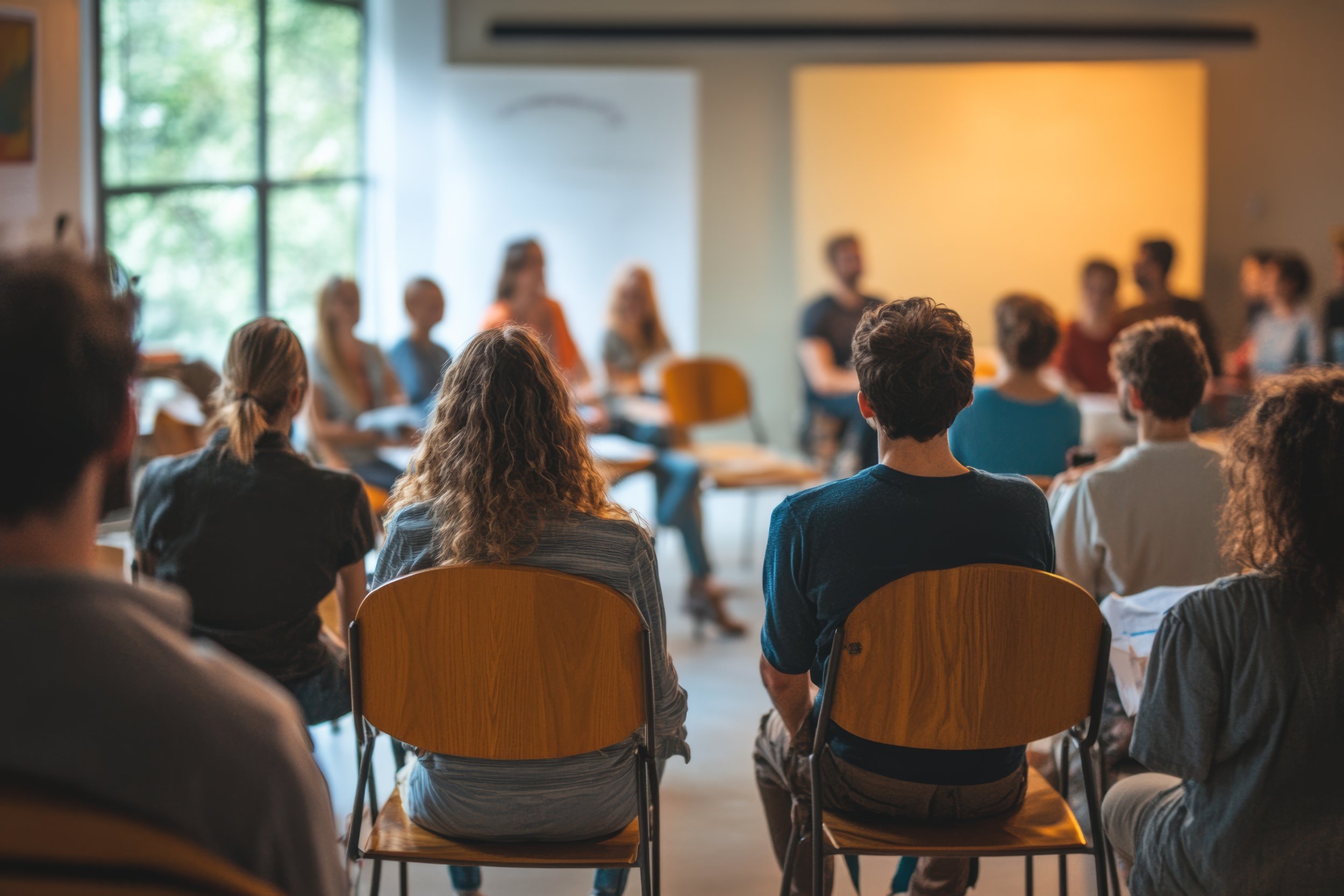
When a group divides into sides, people stop listening and start defending. I facilitate conversations that foster dialogue between "us" and "them," moving groups from conflict to understanding and collaboration.
Let’s talk through it.

What I Do.
Intergroup Facilitation
When people disagree, I design and guide the process that helps them understand each other.
I work with organizations navigating internal conflict or change, communities facing local disputes, and civic groups bringing together stakeholders with real differences. In every case, the job is the same: create a better conversation that leads to movement forward.
How It Works
-
Every conversation is different, and so is every format. I use theory and experience to decide whether a large group forum, small circles, or one-on-one mediated talks will serve the group best. Then I sequence the conversation deliberately, building trust before asking people to tackle the harder material.
-
I manage turn-taking, monitor group and power dynamics, keep the conversation on track, and make sure no single voice dominates the room.
-
My role isn't to tell people what to think. I use open-ended, non-leading questions that help participants articulate their own views and truly hear each other's.
-
I don't advocate for a particular outcome. My job is to make the process work, not to win the argument.
-
Difficult conversations bring up real feelings. I de-escalate tension, name what's unspoken in the room, and keep things constructive even when the conversation gets heated.
-
I summarize points of agreement, disagreement, and nuance so the group can see its own thinking more clearly.
-
A good conversation should lead somewhere. For longer engagements, I track whether agreements and action items are actually followed through on.
"The problems that even the most practical organizations have — in improving their performance and obtaining the results they desire — can be traced directly to their inability to think and talk together, particularly at critical moments."
— William Isaacs
How Dialogue Facilitation Is Different.
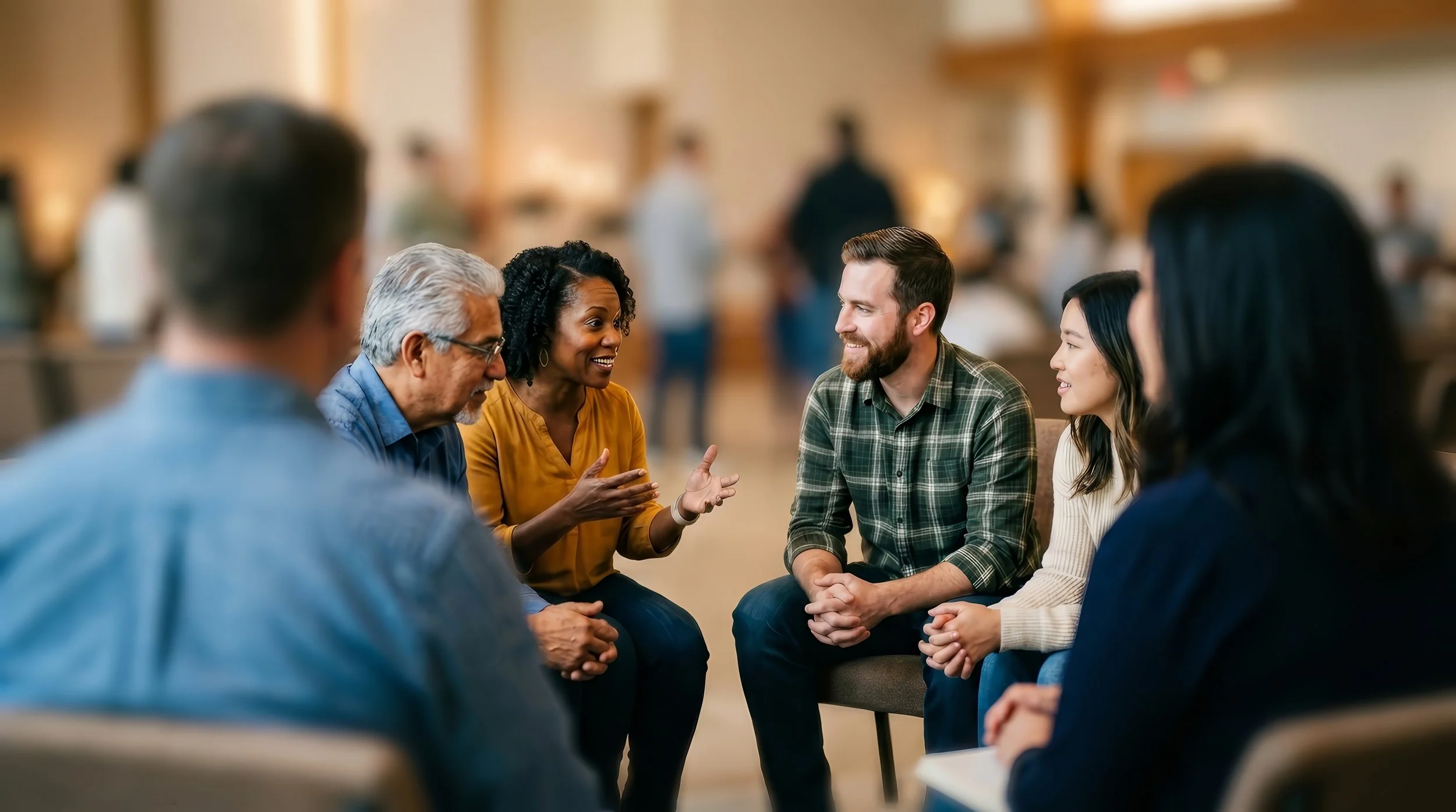
It's tempting to want someone to walk in with a quick fix, but group conflict is rarely a simple technical problem or two-party dispute: it's a complex system of stakeholders, history, and relationships that no outside expert can fully diagnose or settle with a single agreement.
A consultant solves an explicit, technical problem. A mediator helps two specified parties reach a resolution for a defined dispute. Both are valuable, and I draw on mediation training in my own practice, but neither is designed for a whole group whose ability to work together has broken down. That takes a process built for many stakeholders and open-ended understanding.
My job is to build the conditions where your group can work through its own complexity by surfacing what's truly going on, hearing across difference, and coming to greater shared understanding. This enables you to navigate disagreement and next steps on your own.
Let’s Talk!
Interested in a facilitation, training, retreat, or keynote?
Let me know how I can help.