

Dialogue Scholar & Practitioner
Resolving tensions between “Us” and “Them”
When groups disagree, it doesn't always get better on its own.
I help groups have hard conversations, build understanding, and move forward together.
Is your group divided between “Us” and “Them?”
It might look like:
Foreign and local hires
One department and another
Longtime staff and new hires
Different generations in the workplace
Conservatives and liberals
Union and nonunion employees
Two companies’ employees merging into one
Board and staff members
Senior leaders, middle managers, and frontline employees
When a group divides into sides, people stop listening and start defending. I facilitate conversations that foster conversations between "us" and "them," moving groups from tension to understanding and collaboration.
Let’s talk through it.

What I Do.
Intergroup and Conflict Facilitation
When people disagree, I design and guide the process that helps them understand each other.
I work with organizations navigating internal conflict or change, communities facing local disputes, and civic groups bringing together stakeholders with real differences. Because no two situations are alike, I start by listening, talking with people on every side to learn how far the conflict has gone, and determining what’s at stake and what the group is ready for.
From there, I design a process to move the conversation forward.
How It Works
-
We talk about what’s happening, determine who is involved, and what you’d like to be different.
-
I meet confidentially with people across all sides so everyone can describe the situation in their own words.
-
I evaluate the extent of tension and conflict to determine what the group needs and is ready for.
-
I build a process that fits, selecting specific methods and supporting tools tailored to group needs to guide them through mediation, dialogue, collaboration processes, or a blend.
-
I meet with decision makers to report themes, present the design, and determine engagement agreements.
-
The engagement process begins. I monitor progress throughout each phase and make adjustments as needed, communicating findings with you during check-ins along the way.
-
We reflect on outcomes, put agreements in writing, and make sure the group has what it needs to move forward on its own.
"The problems that even the most practical organizations have — in improving their performance and obtaining the results they desire — can be traced directly to their inability to think and talk together, particularly at critical moments."
— William Isaacs
How Dialogue Facilitation Is Different.
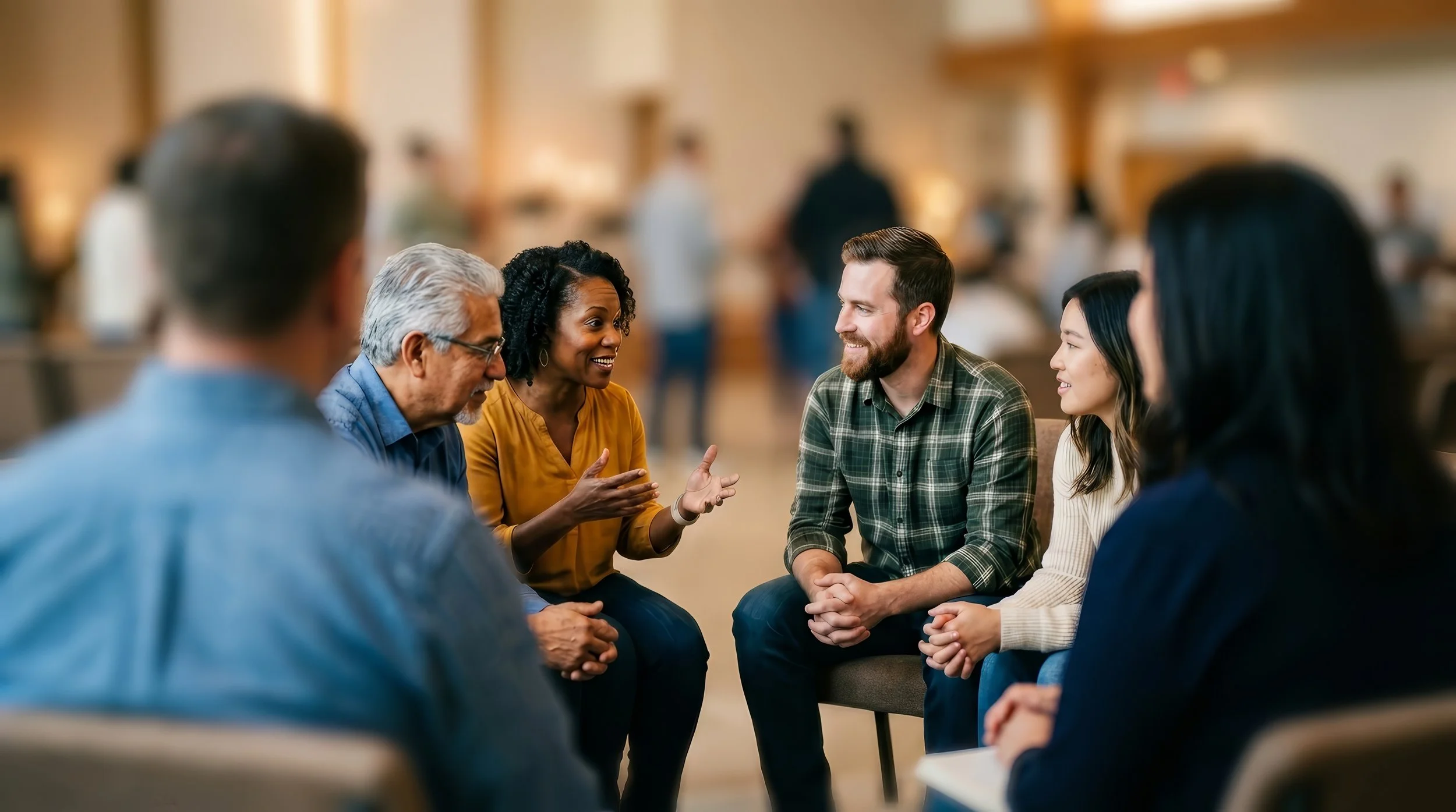
It’s tempting to want someone to walk in with a quick fix, but group conflict is rarely a simple technical problem or two-party dispute. It’s a complex system of stakeholders, history, and relationships that no outside expert can settle with a single agreement.
That’s why I start by listening. Some situations call for mediation on a specific issue. Others need a facilitated conversation, or a dialogue process that rebuilds how a group works together over time. Many need a combination. Once I understand how far the conflict has gone and what your group is ready for, I design a process that fits.
My job is to build the conditions where your group can work through its own complexity by surfacing what’s truly happening, hearing across difference, and coming to greater shared understanding. This enables you to navigate disagreement and next steps on your own.
Let’s Talk!
Interested in a facilitation, training, retreat, or keynote?
Let me know how I can help.